Physical Address
304 North Cardinal St.
Dorchester Center, MA 02124
Physical Address
304 North Cardinal St.
Dorchester Center, MA 02124

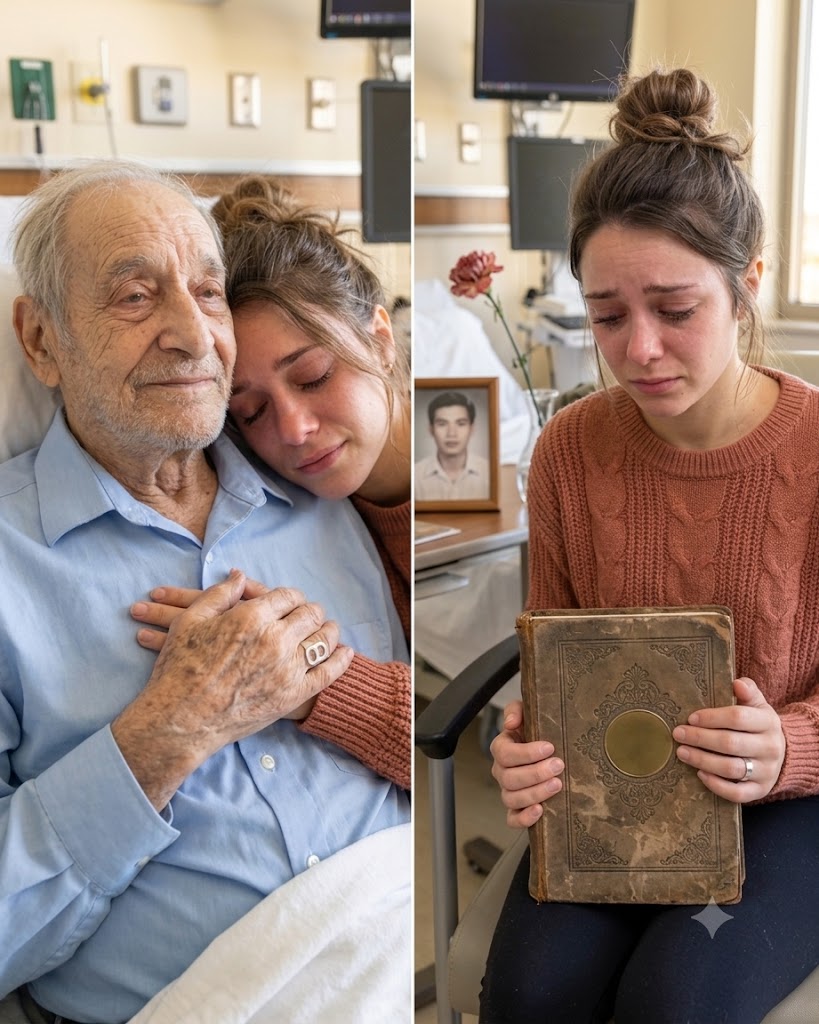
I was twenty-nine, still trying to find my way through the grief of losing my mother.
Volunteering at the hospital became the one thing that made that pain feel meaningful.
For nearly a year, I spent my time beside patients who had no family left to sit with them during their final days.
That was how I met Thomas.
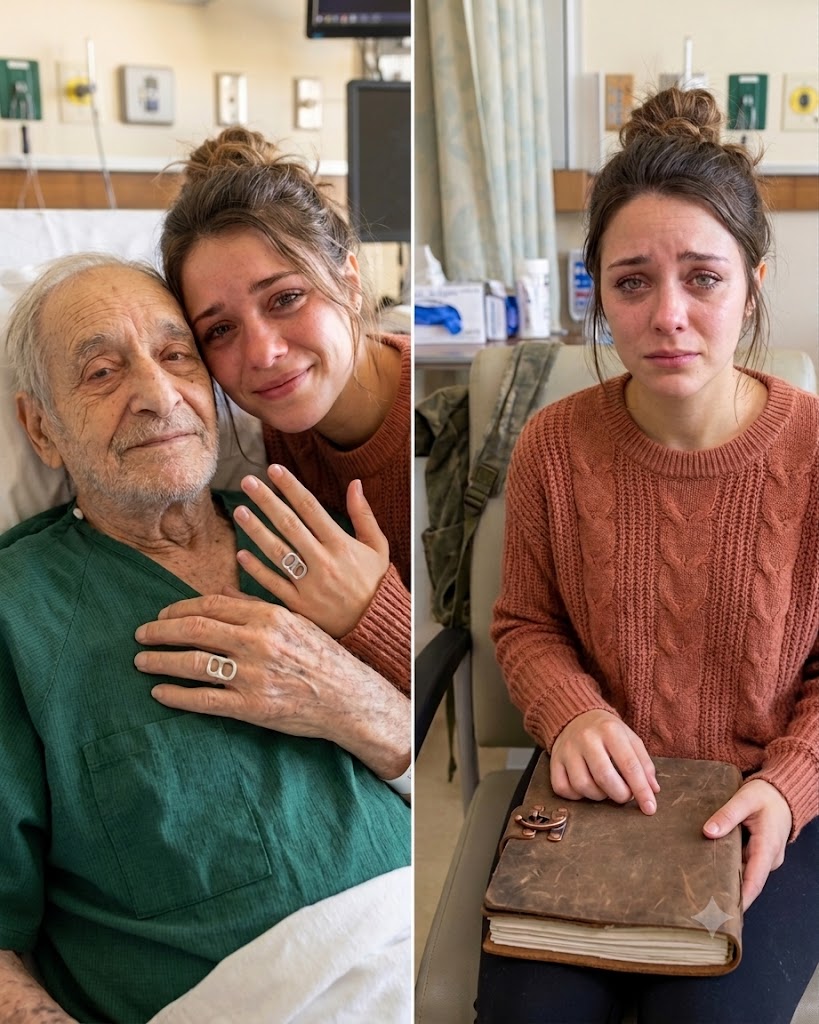
He was seventy-two, frail, and dying from heart failure.
He always looked exhausted, yet somehow, whenever I walked into his room, he still managed to greet me with a gentle smile.
We started talking.
At first, it was only small conversations about the weather, hospital food, and the books he used to read.
But within days, those conversations became something we both quietly looked forward to.
Then, one afternoon, Thomas reached across the bed and took my hand.
“Marry me, Sarah,” he whispered.
My heart began pounding.
“Thomas… you’re seriously ill. We barely know each other.”
He smiled faintly and squeezed my fingers.
“I don’t want the state handling my final hours,” he said. “My last wish is to leave this world as a husband, not as a nameless file.”
I knew how strange it sounded.
I knew how little sense it made.
And yet, two days later, a hospital chaplain married us.
I wore a simple yellow sweater.
We didn’t even have wedding rings, so Thomas slipped a soda can pull tab onto my finger.
It was the strangest wedding imaginable.
And somehow, it was also one of the most meaningful days of my life.
For the next seven days, I stayed beside him.
I held his hand through every difficult breath.
I talked to him when he couldn’t speak.
And when his heart finally stopped, I was still holding his hand.
Afterward, I sat alone in his empty hospital room, staring at the bed where my husband had been only minutes earlier.
I couldn’t understand how someone I had known for such a short time could leave behind so much silence.
Then the door opened.
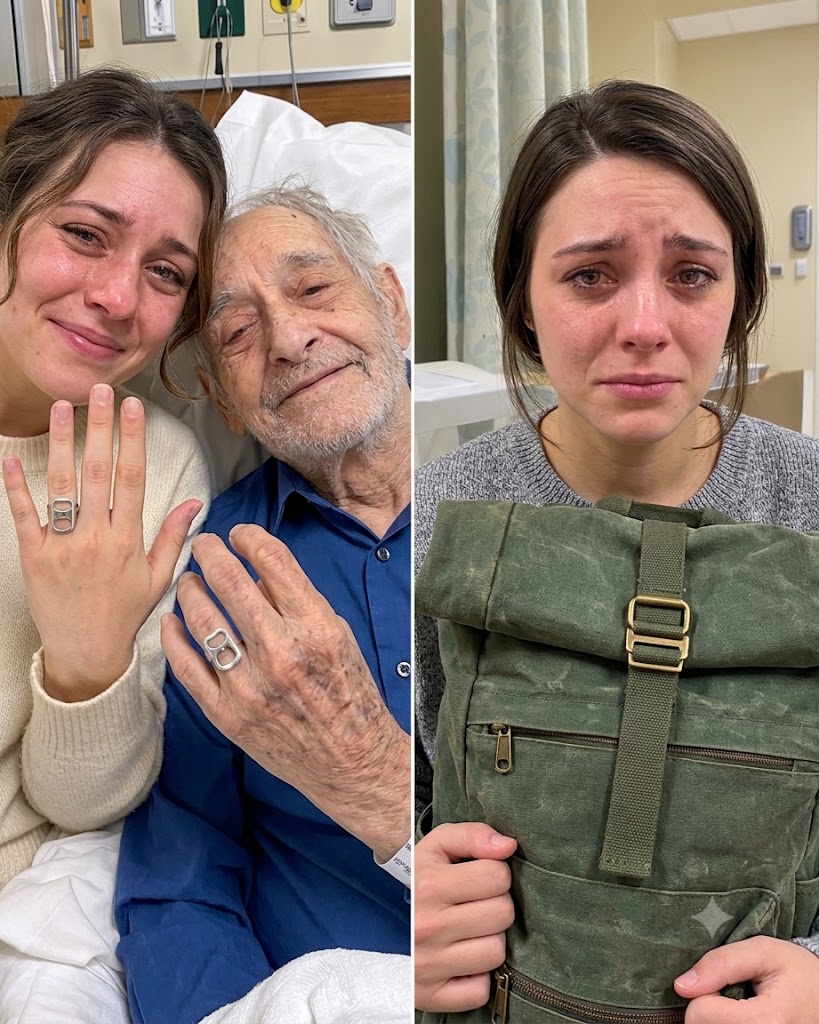
An elderly man stepped inside carrying a worn green backpack.
“Sarah?”
I looked up.
“I’m your husband’s attorney.”
He walked over and placed the backpack in my hands.
It was surprisingly heavy.
I looked at him, confused.
“Thomas left this for you.”
My fingers tightened around the straps.
“Why?”
The lawyer studied my face for several seconds.
Then his voice dropped to a whisper.
“Thomas wasn’t who you thought he was, Sarah.”
My stomach tightened.
He glanced toward the closed hospital door before continuing.
“He wanted you to know the truth.”
I looked down at the green backpack.
For the first time, I wondered what exactly I had married into.
And what Thomas had been hiding from me during those seven days.
I opened the envelope.
There was no long letter inside.
Just a single sheet of paper.
On it, Thomas had written a list.
Botanical garden.
Farmers’ market.
Ice cream from Oakridge Street.
Feed the ducks, even if they ignore you.
I stared at the list and laughed through my tears.
Then I saw the final sentence.
“Ordinary Tuesdays are where life quietly hides.”
I read it twice.
Then a third time.
For months after my mother died, I had stopped noticing ordinary things.
I stopped going places unless I had a reason.
I stopped buying things I didn’t need.
I stopped making plans that extended beyond the next morning.
Thomas had noticed.
Of course he had.
That was what he did.
He noticed people.
Not their clothes.
Not their jobs.
Not how much money they had.
He noticed the small things they were trying desperately to hide.
I remembered all those envelopes in the backpack.
The bus ticket.
The grocery receipt.
The photograph on the park bench.
The hospital sticker.
None of them were about Thomas.
They were about people he had met during the forty years he spent helping others through grief.
He hadn’t collected souvenirs.
He had collected proof that people could keep going.
I called his attorney the next morning.
“I don’t understand,” I admitted. “Why did he leave all of this to me?”
The attorney was quiet for a moment.
Then he asked, “What did Thomas ever ask you for?”
I thought about it.
Money?
Never.
A promise?
Never.
More time?
Never.
He hadn’t even asked me to stay with him after he died.
“Nothing,” I whispered.
The attorney smiled sadly.
“Exactly.”
He told me Thomas had spent most of his life working as a grief counselor.
He had helped families through funerals, hospital rooms, sudden losses and the kind of grief that made people stop recognizing themselves.
He never advertised himself as some great healer.
He simply listened.
“He believed people talked more honestly when they didn’t feel like they were being treated,” the attorney said.
I looked down at the green backpack sitting beside my chair.
Suddenly, I understood why Thomas had noticed me.
He hadn’t married me because he needed a wife.
He had married me because he recognized someone who was grieving the same way so many people in his notebook had grieved.
Someone who was still alive…
but had stopped moving forward.
The attorney reached into a drawer.
“There is one more thing.”
He placed another envelope on the desk.
Thomas’s handwriting was across the front.
After Tuesday.
“He told me not to give you this until after his funeral.”
My hands trembled as I took it.
That evening, I went to the little park near my apartment before opening it.
Inside was another list.
Nothing expensive.
Nothing dramatic.
Just ordinary things.
Visit the botanical garden.
Buy peaches at the farmers’ market.
Get vanilla ice cream from Oakridge Street.
Feed the ducks.
Even if they ignore you.
At the bottom, Thomas had written:
“Don’t wait until life feels easy before you start living it again.”
I sat there for a long time.
Then I laughed.
The ducks ignored me completely when I finally walked over to the lake.
For the first time in almost a year, I laughed without feeling guilty about it.
People turned to look.
I didn’t care.
The following Tuesday, I went to the botanical garden.
The next week, I bought peaches I didn’t need.
And eventually, I returned to the hospital.
Not because I was hiding from my grief anymore.
Because I finally understood why I had started volunteering there in the first place.
I wanted lonely people to know someone noticed them.
Just like Thomas had noticed me.
Months passed.
I never learned how to fix grief.
Thomas hadn’t either.
But he had taught me something more important.
Grief doesn’t disappear because someone gives you the right words.
Sometimes, healing begins when someone simply stays long enough for you to remember that life is still happening.
Thomas had entered my life as a stranger.
He left it as my husband.
But what he gave me was bigger than a marriage that lasted seven days.
He gave me back my Tuesdays.
And somehow, that was enough to begin again.